
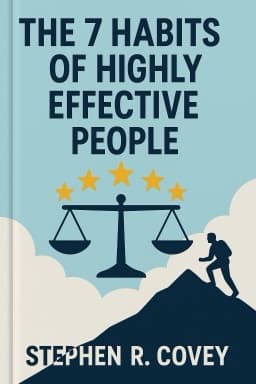
Unlock the Secret Power of Your Mind: The 7 Habits That Will Transform Your Life Forever!
Discover How Shifting Your Paradigm Can Unlock True Success and Happiness

Have you ever felt stuck in life, like no matter what you do, the same problems keep coming back? Stephen Covey’s groundbreaking book, The 7 Habits of Highly Effective People, offers a fresh perspective that might just change everything for you. The first and most fundamental habit is about paradigm shifts — changing the way you see the world to unlock new possibilities.
Covey teaches us that our mental maps or paradigms shape our reality. Imagine looking at a picture that can be seen as either a young woman or an old woman. Which you see depends on your perspective. Similarly, your worldview is influenced by your upbringing, experiences, and beliefs. This means that your problems often stem not from external circumstances but from how you perceive them.
Changing your behavior without changing the underlying paradigm is like trying to navigate a city with a faulty map. You might move, but you won’t reach your destination effectively. This insight is powerful because it means true transformation starts from within.
One key to this change is becoming proactive. Proactivity means taking responsibility for your responses rather than reacting impulsively. The language you use reveals your mindset: saying 'I have to' keeps you reactive, while 'I choose to' empowers you. This shift expands your Circle of Influence—the things you can control—helping you gain freedom and effectiveness.
Stories from everyday life illustrate these principles. For example, a man on a subway might seem indifferent to his noisy children, but understanding his deeper story changes our judgment to compassion. This exemplifies how shifting paradigms transforms relationships and outcomes.
By embracing these foundational habits, you set the stage for a life of purpose, resilience, and genuine success. The journey begins with seeing the world through new eyes.
Ready to take the first step? Dive into the power of paradigms and start reshaping your life today.
Sources: Oberlo summary of 7 Habits, Ryan Delaney’s notes, 101 Planners insights 1 2 3
Want to explore more insights from this book?
Read the full book summary