
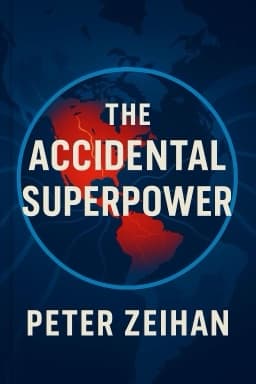
The Fracturing of the Global Order: What’s Next After the American Century?
An in-depth look at the forces unraveling the postwar global system and the uncertain future beyond American dominance.

For decades, the world operated under a global system largely shaped and maintained by the United States. This postwar order, built on open markets, collective security, and international institutions, fostered unprecedented peace and prosperity. However, cracks have begun to appear, signaling a transition to a more fragmented and uncertain era.
Europe faces a demographic crisis with aging populations that strain social welfare systems and fuel political fragmentation. Nationalist movements challenge the cohesion of the European Union, undermining collective decision-making. China, while rising rapidly, confronts internal challenges including financial bubbles, slowing growth, and demographic decline. Regional disparities and political tensions complicate governance.
As the global order fractures, the world is entering a multipolar phase where no single power dominates. This new reality demands fresh strategies, adaptable alliances, and recognition of emerging powers’ interests.
Understanding the causes and consequences of this disorder is crucial for policymakers, businesses, and citizens who must navigate an increasingly complex international landscape.
Want to explore more insights from this book?
Read the full book summary