
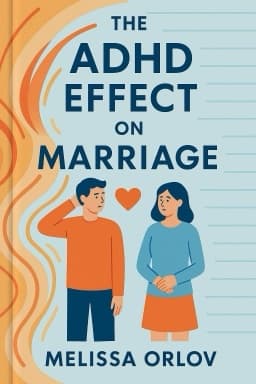
7 Surprising Ways ADHD Can Make—or Break—Your Relationship
From Hyperfocus to Chore Wars: The Science and Stories Behind ADHD’s Impact on Love

From Hyperfocus to Chore Wars: The Science and Stories Behind ADHD’s Impact on Love
When you first fall in love with someone who has ADHD, it can feel magical. They’re attentive, creative, and full of energy. But as the relationship settles into routine, the same traits that seemed charming can become sources of pain and confusion. Here are seven ways ADHD can shape your marriage—and how to turn challenges into strengths.
- The Hyperfocus Honeymoon: Many ADHD partners shower their loved one with attention at first, but this intense focus fades as the novelty wears off. The non-ADHD partner may feel abandoned or unloved, not realizing this is a symptom, not a choice.
- The Parent-Child Trap: One partner becomes the 'manager,' handling chores, bills, and reminders. The other feels micromanaged, leading to resentment on both sides.
- Communication Breakdowns: ADHD can make it hard to listen, remember, or respond appropriately. Arguments escalate quickly, and important topics are avoided.
- Chore Wars: Disagreements over housework often symbolize deeper issues of respect and reliability. Tracking responsibilities can help couples negotiate more fairly.
- Financial Friction: Impulsivity and disorganization can lead to missed bills or overspending, creating stress and blame.
- Emotional Rollercoaster: Both partners may experience intense emotions, from anger to despair. Recognizing these as part of the ADHD effect can reduce shame and open the door to healing.
- Reigniting Romance: With the right support, couples can rediscover joy and intimacy. Shared activities, empathy, and celebrating progress are crucial.
These challenges are real, but they’re not destiny. Orlov and other experts recommend regular 'learning conversations,' structured routines, and clear boundaries to protect both partners’ well-being. Most importantly, remember that ADHD is not a character flaw—it’s a difference that requires teamwork.
References: ADHDmarriage.com, expert blog posts, community discussions, and 'The ADHD Effect on Marriage'
1
3
2
Want to explore more insights from this book?
Read the full book summary