
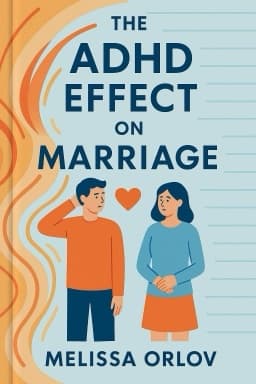
Is ADHD Secretly Sabotaging Your Marriage? Here’s What Every Couple Needs to Know
Unlocking the Hidden Forces That Shape Love, Frustration, and Hope in ADHD-Affected Partnerships

Unlocking the Hidden Forces That Shape Love, Frustration, and Hope in ADHD-Affected Partnerships
Imagine waking up every morning feeling like you’re speaking a different language than your spouse. You love each other, but daily life is a minefield of missed cues, forgotten chores, and emotional blowups. For millions of couples, this silent struggle is caused by undiagnosed or misunderstood ADHD. Melissa Orlov’s book, 'The ADHD Effect on Marriage,' peels back the curtain on these invisible patterns, offering hope and healing for relationships on the brink.
ADHD isn’t just a childhood diagnosis. In adults, it often hides behind coping strategies, only to surface in the high-stakes, high-stress environment of marriage. Partners may feel abandoned when the initial rush of hyperfocus fades, leaving them to shoulder the burdens of daily life. The ADHD partner feels nagged and criticized, while the non-ADHD partner feels increasingly like a parent, not a lover. This dynamic is so common, couples from all over the world describe it almost word for word—without ever having met.
What’s really happening? Orlov explains that ADHD symptoms—distraction, impulsivity, poor time management—are not moral failings. They’re rooted in brain chemistry. When couples learn to separate the person from the symptom, blame gives way to compassion. Instead of asking, 'Why can’t you just remember?' they ask, 'How can we work with your brain, not against it?'
One of the most powerful tools is the 'Chore Score Worksheet,' which turns vague resentment into concrete data. Couples track who does what, then negotiate solutions. Weekly 'learning conversations' become a ritual for honest, blame-free dialogue. Over time, these small changes build trust and resilience.
But healing isn’t just about chores. It’s about reigniting romance and rediscovering joy. Couples who prioritize fun and play—whether it’s a walk in the park or a shared hobby—report greater satisfaction and resilience. The journey isn’t easy, but with empathy, boundaries, and teamwork, couples can turn ADHD from a source of pain into a catalyst for growth.
Ready to change your story? Start by seeing ADHD not as the enemy, but as a puzzle you can solve together.
References: Orlov’s book, ADHDmarriage.com, Reddit community stories, and clinical research on adult ADHD in relationships
1
2
4
Want to explore more insights from this book?
Read the full book summary