
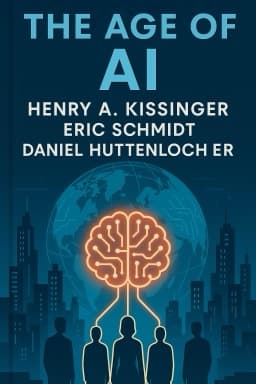
Inside 'The Age of AI': How Artificial Intelligence is Rewriting Our World
A comprehensive exploration of AI’s transformative impact on science, culture, and global society through the lens of 'The Age of AI.'

Artificial intelligence is no longer confined to labs or niche applications; it permeates every facet of modern life.
Revolutionizing Science and Discovery
AI accelerates research by processing data at scales and speeds unimaginable before. From predicting protein structures to discovering new antibiotics, AI acts as a catalyst for breakthroughs that redefine scientific frontiers.
Culture and Creativity in the AI Era
AI’s creative capacities, from composing music to generating visual art, blur the lines between human and machine. This raises questions about authorship, originality, and the evolving role of artists.
Ethical Challenges and Governance
The book highlights the urgent need for ethical frameworks to govern AI’s deployment. Autonomous weapons, data privacy, algorithmic bias, and misinformation are pressing concerns that require transparent policies and inclusive dialogue.
Geopolitical and Security Implications
AI reshapes global power dynamics through cyber warfare, autonomous military systems, and economic competition. The opacity and speed of AI-driven conflict increase risks of instability, demanding new international agreements and cooperation.
Conclusion: A Call for Conscious Co-Creation
'The Age of AI' is not just a chronicle of technological progress but a call to conscious co-creation. It invites us to engage actively with AI’s development, balancing innovation with ethics, and embracing new possibilities while safeguarding humanity’s core values.
As AI continues to evolve, so too must our understanding, governance, and imagination. This book serves as an essential guide for anyone seeking to navigate the complexities and opportunities of the AI revolution.
Sources: Synthesized insights from 'The Age of AI' and authoritative reviews from Amazon, Blinkist, Instaread 2 1 4
Want to explore more insights from this book?
Read the full book summary