
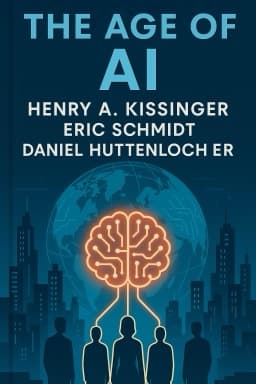
Unlocking the Secrets of AI: Lessons from 'The Age of AI' You Can’t Afford to Miss
An engaging deep dive into the essential lessons on AI’s nature, learning processes, and philosophical implications from 'The Age of AI.'

Artificial intelligence is often misunderstood as mere automation, but
From Human Reason to Machine Learning
Human reason has evolved over millennia, from ancient philosophy through the scientific revolution to the digital age. AI now builds on this legacy by learning from data rather than fixed rules. Neural networks mimic brain structures, enabling machines to recognize patterns and improve through experience.
AI’s Unique Access to Knowledge
Unlike humans, AI can process vast datasets to uncover relationships beyond human intuition. This capability led to breakthroughs like novel drug discovery and advanced game strategies.
Philosophical Reflections
The book invites reflection on what it means to know, create, and be intelligent in an age where machines think differently. It challenges human exceptionalism and calls for humility and openness to new epistemologies.
Implications for Education and Collaboration
AI tools personalize learning and augment human creativity, but also require new skills and critical thinking. Embracing AI as a partner rather than a threat opens possibilities for enhanced innovation and problem-solving.
Ethical and Practical Considerations
Understanding AI’s capabilities and limits is essential for responsible use. The book stresses transparency, fairness, and human oversight to ensure AI benefits all.
By embracing these lessons, individuals and institutions can better navigate the AI revolution with wisdom and confidence.
Sources: Key concepts drawn from 'The Age of AI' and expert analyses on Blinkist, Amazon, Instaread 1 2 4
Want to explore more insights from this book?
Read the full book summary