
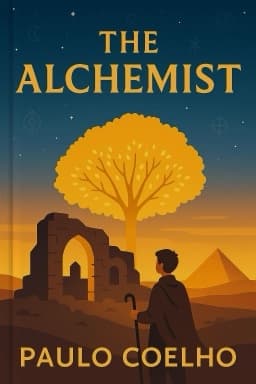
Love Without Chains: How 'The Alchemist' Redefines True Connection
Discover the transformative power of love that supports freedom and personal growth.

In a world where love is often portrayed as possessive or binding, Paulo Coelho’s 'The Alchemist' presents a liberating vision of love — one that frees rather than confines. Santiago’s encounter with Fatima in the desert oasis reveals a relationship rooted in mutual respect, patience, and shared destiny.
Fatima understands that Santiago’s quest is essential to his soul’s fulfillment. Rather than demanding he stay, she encourages him to follow his Personal Legend, trusting that their bond transcends physical presence. This love is patient and enduring, a spiritual connection that enriches rather than distracts.
This perspective challenges common assumptions that love requires sacrifice of dreams or independence. Instead, it suggests that the healthiest relationships nurture growth, encourage courage, and align with each person's higher purpose.
The desert setting amplifies this theme, reflecting a culture that values freedom and respect within relationships. The vast openness of the landscape mirrors the expansive nature of true love — boundless and empowering.
For readers, this offers a powerful lesson: love does not have to be a chain but can be a wind beneath your wings, lifting you toward your destiny. Cultivating such relationships requires trust, communication, and a willingness to embrace both connection and individuality.
By embracing love that frees, we open ourselves to deeper intimacy and greater courage on our personal journeys. 'The Alchemist' invites us to rethink love as a sacred support system — one that fuels our dreams and honors our true selves.
Want to explore more insights from this book?
Read the full book summary