
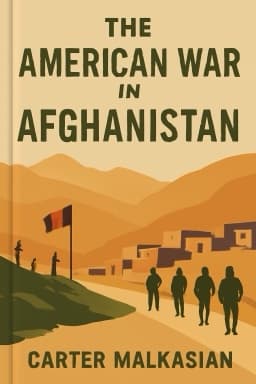
Inside Afghanistan: How Mountains, Tribes, and Faith Shaped a Nation at War
Discover the deep roots of Afghanistan’s identity and how its rugged landscape and tribal codes fueled decades of conflict.

Afghanistan is often described as a land of contradictions — breathtakingly beautiful yet harsh, rich in culture yet marred by conflict. To truly understand Afghanistan's story, we must first step into its rugged landscape and complex social fabric. Imagine towering mountains that cleave the earth, isolating villages where ancient customs still govern daily life. The Hindu Kush range, stretching across the country, acts as a natural fortress, shaping not only travel and trade but also the very identity of its people.
Ethnically, Afghanistan is a mosaic. Pashtuns, the largest ethnic group, inhabit the south and east, speaking Pashto and following Pashtunwali — a tribal code that demands honor, hospitality, and revenge. This code is not merely tradition; it is a powerful social contract that influences everything from justice to inter-tribal relations. Alongside Pashtuns live Tajiks, Hazaras, Uzbeks, and others, each with their own languages, religions, and histories. This diversity enriches Afghan culture but also complicates national unity.
For example, Pashtunwali’s emphasis on revenge can perpetuate cycles of violence, as feuds between clans may last generations. This tribalism often supersedes loyalty to the central government, making governance a constant challenge. The rural majority lives by these codes, far from the influence of Kabul’s political elite.
These cultural and geographic realities have shaped Afghanistan’s history of resistance to foreign invaders, from Alexander the Great to modern superpowers. The very mountains that protect also isolate, fostering independent communities wary of outsiders. This duality is essential to understanding why Afghanistan has been called the “graveyard of empires.”
By appreciating the interplay of land, ethnicity, and tradition, we gain insight into the enduring challenges Afghanistan faces. It is not simply a battlefield but a living tapestry of human resilience and complexity.
Next, we will explore how a small religious movement emerged from this landscape to seize power and alter Afghanistan’s trajectory forever.
Want to explore more insights from this book?
Read the full book summary