
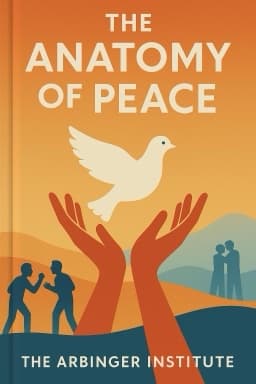
Are You 'In the Box'? How Your Way of Being Fuels Conflict and How to Break Free
Learn the hidden mindset that traps you in conflict and the path to liberation

At the core of every conflict lies a choice: how we see others.
Philosophers have long described this distinction as the 'I-Thou' versus 'I-It' relationship. When we see others as objects, we justify harsh treatment and close our hearts. When we see them as people, empathy and cooperation flourish.
This mindset often traps us 'in the box'—a mental prison of self-justification and distorted perception. We blame others, inflate their faults, and fail to recognize our own role in conflict.
Recognizing when we are in the box is the first step to freedom. Through self-awareness and reflection, we can step out, see others anew, and choose a heart at peace.
Imagine a family torn by misunderstandings. When members begin to see each other as people rather than adversaries, walls fall and healing begins. The same applies in workplaces and communities.
Breaking free is challenging but transformative. It requires humility, courage, and ongoing effort. Yet, the reward is profound: relationships restored, conflicts resolved, and peace that begins within.
Based on psychological and philosophical insights from 'The Anatomy of Peace' and related literature.
Want to explore more insights from this book?
Read the full book summary