
The Lost Art of Play: Why Free Time Is the Key to Resilience
How Overprotection and Structured Schedules Are Making Kids Fragile

How Overprotection and Structured Schedules Are Making Kids Fragile
Once upon a time, children roamed their neighborhoods, inventing games, climbing trees, and learning life’s lessons through trial and error. Today, many of those same spaces are empty, playgrounds locked behind gates, and children’s days filled with adult-led activities. What happened to the freedom—and the resilience—it once fostered?
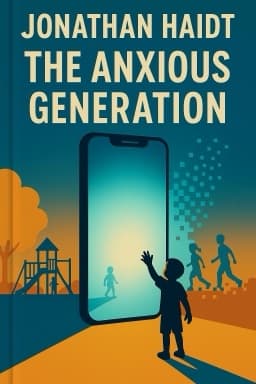
Jonathan Haidt’s 'The Anxious Generation' traces the roots of this change to the rise of safetyism and overprotection. As societies grew safer in reality, parental fears—fueled by sensational media—led to more supervision and less trust in children’s ability to handle risk. The result: fewer scraped knees, but more anxiety and less confidence.
Research shows that play is not just fun; it’s essential. Unstructured, unsupervised play teaches children how to negotiate, resolve conflicts, and recover from setbacks. It is during these moments that emotional and social skills are forged. Without them, children grow up less prepared for the challenges of adolescence and adulthood.
Haidt explains that childhood is a sensitive period for learning cultural norms, empathy, and self-regulation. When play is replaced by screens or constant adult intervention, kids miss out on the practice they need to thrive. Studies from around the world confirm that communities which promote independence and risk-taking see lower rates of anxiety and higher levels of well-being.
Fortunately, the tide is turning. Some schools and neighborhoods are reviving free-range play, extending recess, and encouraging children to walk or bike together. These efforts, supported by research and parent testimonials, are helping to rebuild resilience, one playground at a time.
For parents and educators, the message is clear: trust children with more freedom, let them solve their own problems, and watch them grow stronger. The lost art of play can—and must—be reclaimed.
References: The Anxious Generation, research by Peter Gray, international child development studies, and parent interviews.
Want to explore more insights from this book?
Read the full book summary