
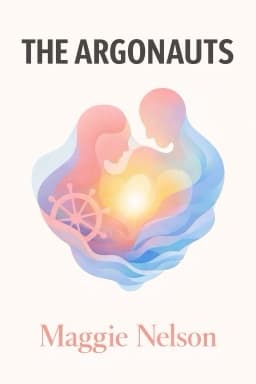
Memory, Presence, and the Emotional Labor of Holding Queer Families Together
A reflective journey into how memory and emotional labor sustain queer families through change and uncertainty.

Memory is not a linear archive but a cyclical flow of forgetting and remembering that shapes who we are. In queer families, this cycle is deeply intertwined with identity and connection. Sometimes we forget what was once clear, only to find it anew, allowing for healing and transformation.
To 'hold' another is to engage in ongoing emotional labor—a commitment of presence, care, and resilience. This work is especially vital in queer and blended families, where histories and identities converge in complex ways. Holding sustains relationships through uncertainty and change, creating spaces where all feel seen and valued.
Psychological research underscores the importance of this emotional labor, revealing how presence and care foster resilience and well-being. The cyclical nature of memory allows families to navigate challenges, renew connections, and grow stronger together.
These dynamics highlight the profound depth of queer kinship, where love is expressed through both grand gestures and quiet, everyday acts. The work of holding is often invisible but essential, weaving the fabric of family life.
For readers interested in the emotional and psychological aspects of queer family life, academic studies provide rich insights into memory, identity, and emotional labor. These perspectives deepen our appreciation of the complexities and beauties of sustaining connection.
In embracing memory’s cycles and the labor of holding, queer families teach us about the enduring power of love, presence, and commitment.
2 , 3
Want to explore more insights from this book?
Read the full book summary