
Queer Motherhood and Pregnancy: Embracing Radical Intimacy and Transformation
A heartfelt exploration of the physical and emotional realities of queer pregnancy and motherhood.

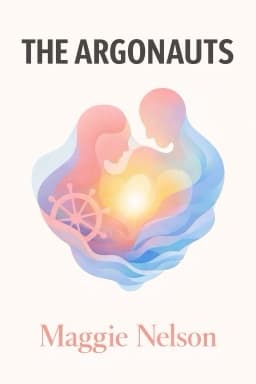
Pregnancy is often framed as a biological inevitability, but for queer parents, it becomes a radical act of intimacy and transformation. Imagine a body in flux, alive with change, hope, and vulnerability. Motherhood emerges not as a fixed role but as a buoyant eros—a love affair without predetermined end, a dance of creation and surrender.
This embodied transformation profoundly alters identity and relationships. Queer pregnancy challenges conventional narratives by blending radical identity with the universal work of care. The physical and emotional shifts ripple through personal lives and social contexts, revealing both tensions and possibilities.
The experience of breastfeeding, the rhythms of caregiving, and the negotiation of bodily autonomy become deeply political and emotional acts. They affirm life while questioning societal boundaries, inviting new understandings of family and connection.
Research highlights that queer motherhood disrupts heteronormative frameworks, creating families that resist easy categorization. This disruption is both a source of tension and creativity, requiring resilience and profound love.
By embracing these transformations, queer parents not only nurture children but also expand the horizons of identity and kinship. Their stories offer powerful insights into the possibilities of family-making and the enduring work of love.
For readers interested in further exploration, academic work on queer pregnancy and family studies provides rich analyses of these embodied experiences and their social implications.
This journey into queer motherhood invites us to honor the complexity and beauty of transformation, vulnerability, and radical intimacy.
1 , 3
Want to explore more insights from this book?
Read the full book summary