
Why Everything You Know About Carbs Might Be Wrong: The Forgotten Art of Eating
Unveiling the Surprising Truths Behind Our Daily Bread

Unveiling the Surprising Truths Behind Our Daily Bread
Imagine sitting around a crackling fire, sharing a meal with your tribe. The air is filled with laughter, the aroma of roasting meat, and the gentle rustle of wild greens. For thousands of years, this was the norm—a diet shaped by nature, scarcity, and survival. There were no supermarkets, no processed grains, and certainly no food pyramids. Yet, our ancestors thrived, displaying remarkable health and resilience. Fast forward to today, and we find ourselves surrounded by abundance, yet plagued by fatigue, obesity, and chronic disease. What changed?
The answer lies not just in what we eat, but in what we believe about food. Modern dietary guidelines have long promoted carbohydrates as essential, pushing bread, rice, and pasta to the center of every meal. But emerging research—and the lived experience of countless individuals—suggests that this advice may be deeply flawed. Studies of traditional cultures, such as the Inuit and Masai, reveal that humans can flourish on diets with minimal carbohydrates and abundant fats. These groups enjoyed robust health, free from the epidemics of diabetes and heart disease that now afflict much of the world.
One of the most persistent myths is that our brains require carbohydrates to function. In reality, the body possesses a remarkable ability called gluconeogenesis, enabling it to create glucose from protein and fat. When carbohydrate intake is low, the liver produces ketones—a clean, efficient fuel that powers both mind and body. Far from being a dangerous state, ketosis is a natural adaptation that allowed our ancestors to survive periods of scarcity and feast alike.
So why do so many people struggle with energy crashes, cravings, and weight gain? The answer is often insulin resistance—a condition where the body’s cells stop responding to insulin, leading to high blood sugar and fat storage. This is not a failure of willpower, but a consequence of chronic high-carb diets and constant snacking. The good news? Dozens of clinical trials and real-world stories show that reducing carbohydrates can restore insulin sensitivity, promote fat loss, and even reverse type-2 diabetes.
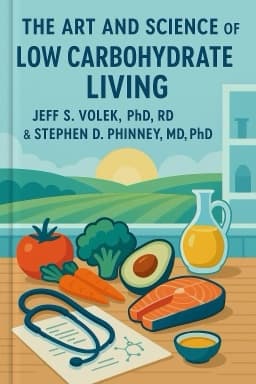
But a sustainable low-carb lifestyle is not about deprivation. It’s about abundance—enjoying rich, satisfying meals that nourish both body and soul. Imagine a plate filled with tender meats, colorful vegetables, creamy avocados, and golden butter. These foods not only delight the senses but provide the nutrients your body truly craves. The key is personalization: some thrive on fewer carbs, others on more. The journey is about listening to your body, experimenting, and discovering what works for you.
As you consider your own path, remember: the wisdom of the past, combined with the science of today, offers a roadmap to vibrant health. The low-carb movement is not a fleeting trend, but a return to the forgotten art of eating—one that honors our heritage, heals our bodies, and empowers us to live fully.
Ready to challenge the myths and reclaim your health? Dive deeper into the stories, science, and practical steps that will guide you on your journey to a more vibrant, resilient life.
Want to explore more insights from this book?
Read the full book summary