
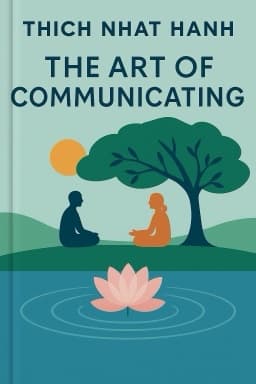
Unlocking the Healing Power of Words: How Mindful Communication Can Transform Your Life
Discover the Art of Communicating and How Simple Shifts in Speech and Listening Can Heal You and Those Around You

Imagine if every conversation you had was a chance to heal—not just yourself, but everyone around you. In our fast-paced, digital world, words are often tossed about carelessly. Yet, as Thich Nhat Hanh reminds us in his transformative book, 'The Art of Communicating,' the words we speak and the way we listen are as vital as the food we eat. They nourish or poison our relationships, our self-esteem, and even our communities. Mindful communication is not a luxury; it's an essential practice for anyone seeking true connection and happiness.
Let’s start with the basics: mindful communication begins with presence. Before you utter a word, pause and breathe. Feel your body, notice your thoughts, and connect with your intention. This simple act of coming home to yourself is the foundation of all healthy communication. When you are present, your words carry the energy of your awareness—they become seeds of understanding and compassion.
Listening is the first gift you can offer. Most people listen to respond, not to understand. True listening means setting aside your judgments, your desire to fix, and your urge to interrupt. It requires patience, humility, and an open heart. As you listen deeply, you may notice the other person relax, their voice soften, and their pain begin to ease. This is not magic—it’s the natural healing power of compassionate attention.
But what about speaking? Loving speech is not about being nice or avoiding difficult truths. It’s about choosing words that are honest, clear, and kind. Before speaking, ask yourself: Is it true? Is it necessary? Is it helpful? Is it spoken in a way that the other can receive? By practicing these guidelines, you avoid causing unnecessary harm and create space for real dialogue.
One of the most practical tools from the book is the Six Mantras of Loving Speech. These are short phrases like 'I am here for you,' 'I know you suffer, and I am here for you,' and 'This is a happy moment.' Using these mantras can instantly shift the energy in a room, break cycles of misunderstanding, and open hearts. Even when you’re upset or hurt, expressing vulnerability—'I suffer, please help'—can invite empathy and connection.
Bringing mindful communication into daily life isn’t always easy. Conflict, stress, and old habits get in the way. Yet, with practice, even difficult conversations become opportunities for growth. Writing peace notes, beginning anew after arguments, and pausing for a breath before responding are small acts that build trust and harmony. In workplaces, simple rituals—like starting meetings with a moment of silence—foster collaboration and reduce tension.
Ultimately, the art of communicating is a journey. Each mindful word, each compassionate silence, plants seeds of peace that ripple outward into your family, your workplace, and your community. The legacy of your communication is not just in the words you say, but in the hearts you touch and the understanding you cultivate. Start today—breathe, listen, speak with love—and watch your world transform. 1 2 3
Want to explore more insights from this book?
Read the full book summary