
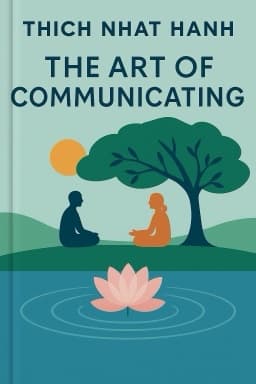
Why Listening Is the Most Powerful Thing You Can Do for Someone
Discover the Science and Spirituality Behind Deep Listening—and How It Can Change Lives

In a world overflowing with noise, true listening is a rare and precious gift. Thich Nhat Hanh teaches that when we listen deeply—without judgment or interruption—we give others the space to heal. This is not passive hearing; it’s an active, compassionate presence that says, 'You matter. Your experience is valid.'
Imagine sitting with a friend who is struggling. Instead of offering advice or rushing to fill the silence, you simply listen. You nod, you breathe, you let them know you are there. Over time, you notice their shoulders relax, their voice steadies, and their pain lessens. This is the healing power of deep listening.
Science supports what spiritual teachers have always known: deep listening lowers stress, builds trust, and increases empathy. It’s the foundation of emotional intelligence. Yet, it’s easy to get distracted by our own thoughts or the urge to solve problems. The key is to bring your full attention to the moment, setting aside your agenda and opening your heart.
To practice, try these steps: (1) Pause and breathe before responding. (2) Reflect back what you hear, without judgment. (3) Allow silence to do its work. (4) Notice your own reactions, but don’t let them take center stage. With practice, you’ll find that your presence alone can be deeply comforting.
Deep listening is a skill anyone can develop. Whether you’re supporting a child, a partner, a colleague, or even yourself, the act of truly listening can transform suffering into peace. It’s the simplest, most profound way to show love. 1 3
Want to explore more insights from this book?
Read the full book summary