
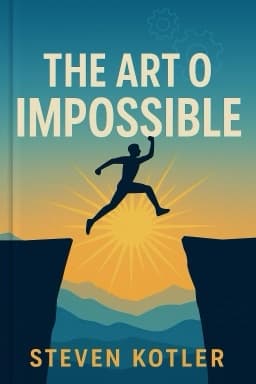
From Curiosity to Mastery: The Five Steps to Achieving the Impossible
A practical guide to stacking motivation and mastering your craft, inspired by Steven Kotler’s research.

What separates those who dream from those who achieve? According to Steven Kotler’s The Art of Impossible, the answer lies in a carefully structured stack of intrinsic motivators. The journey begins with curiosity—that spark of interest that draws us into new territory. When curiosity is fed, it grows into passion, a deeper engagement that propels us forward despite setbacks.
But passion alone is not enough. The next step is purpose—connecting your efforts to something larger than yourself. Purpose transforms work into a mission, providing the resilience needed to weather adversity. Autonomy—the freedom to choose your path—amplifies motivation, while mastery is the result of relentless practice and continuous improvement.
Kotler’s research shows that setting 'high, hard goals' aligned with your values is crucial. These ambitious targets provide direction and focus, while clear daily goals create momentum. Mastery is not a destination but a process—a series of small wins, deliberate practice, and feedback loops that turn potential into performance.
The book is filled with examples of people who have moved from curiosity to mastery by stacking these motivators and embracing the grind. Whether it’s an athlete training for the Olympics or an entrepreneur launching a startup, the path is the same: start with curiosity, build passion, find purpose, claim autonomy, and pursue mastery through deliberate effort.
The Art of Impossible offers a practical, science-backed roadmap for anyone ready to turn dreams into reality. The impossible, Kotler reminds us, is just the next step on the journey of becoming. 3
Want to explore more insights from this book?
Read the full book summary