
Peak Performance Secrets: Flow, Grit, and the Infinite Game
Why the world’s best performers treat life as an infinite game—and how you can too.

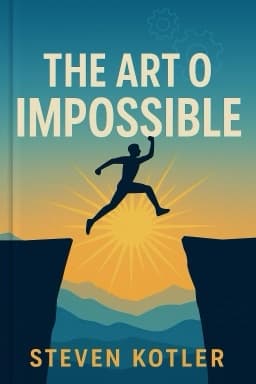
What if the secret to greatness wasn’t talent or luck, but a set of skills anyone could learn? In The Art of Impossible, Steven Kotler reveals that peak performance is less about one-off wins and more about playing the infinite game—constantly growing, learning, and evolving.
Central to this philosophy is flow—the state where everything clicks, and you perform at your absolute best. Kotler identifies 22 triggers for flow, from setting clear goals to embracing risk and novelty. Flow isn’t reserved for athletes or artists; it’s a biological state accessible to anyone willing to design their environment and routines for it.
But flow alone isn’t enough. Grit—the habit of ferocity—is what sustains you through the grind. Kotler breaks grit down into six types, including perseverance, thought control, fear mastery, and the ability to perform under pressure. These are not traits you’re born with, but muscles you can strengthen through practice.
The book is filled with stories of people who have mastered the infinite game, from Olympic athletes to pioneering scientists. The common thread is a commitment to growth, resilience, and the willingness to start again after every setback.
Kotler’s message is clear: the only way to lose the infinite game is to stop playing. By embracing flow, building grit, and committing to lifelong learning, you can achieve what once seemed impossible—and keep pushing the boundaries of what’s possible.
Ready to play the infinite game? The Art of Impossible is your playbook. 2 3
Want to explore more insights from this book?
Read the full book summary