
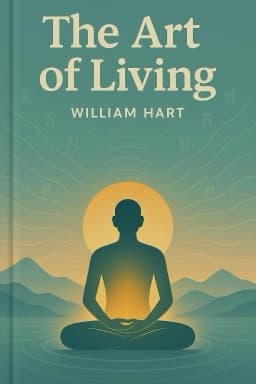
From Suffering to Self-Mastery: The Deeper Teachings of Vipassana Meditation
How Seeing Things As They Are Leads to Lasting Freedom

How Seeing Things As They Are Leads to Lasting Freedom
Most people come to meditation seeking relief from pain or stress. But at its heart, Vipassana is a journey far deeper—a journey from suffering to self-mastery. Rooted in the teachings of the Buddha, Vipassana invites us to look honestly at the impermanence of all things. Everything—thoughts, sensations, relationships, even our own bodies—is in constant flux.
By observing sensations without clinging or resistance, we begin to see through the illusion of a permanent self. The sense of “I” is revealed as a process, not a thing. This insight is both humbling and liberating. The law of cause and effect—kamma—teaches that every thought, word, and action plants a seed that will bear fruit in time. When we react blindly, we plant seeds of suffering; when we observe with wisdom, we plant seeds of peace.
Real-life stories abound of people breaking free from old habits, addictions, and fears through Vipassana. One man described how, after years of anger issues, he learned to pause and watch his sensations—transforming rage into understanding. Another found that grief, when observed with compassion, became a gateway to healing rather than a source of endless pain.
The path is not easy. It requires patience, honesty, and a willingness to face discomfort. But the reward is profound: a mind that is no longer at the mercy of every passing storm, and a heart that is open to the joys and sorrows of life alike. This is true self-mastery—not control over others, but mastery over our own reactions and inner world.
Vipassana is not just a technique, but a way of living—one that brings freedom, compassion, and joy to every moment.
Want to explore more insights from this book?
Read the full book summary