
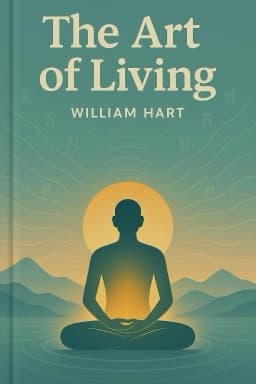
How Vipassana Meditation Can Transform Your Mind: Science, Stories, and Secrets
Unlocking the Hidden Power of Self-Observation and Inner Peace

Unlocking the Hidden Power of Self-Observation and Inner Peace
In a world obsessed with quick fixes, Vipassana meditation stands apart as a discipline that asks for your time, your honesty, and your courage. Imagine spending ten days in silence, with no phone, no books, and no distractions—just you, your breath, and the ever-changing sensations of your body. This is the heart of Vipassana, an ancient practice that has helped countless people find not just calm, but a deep and lasting transformation.
Vipassana, which means 'to see things as they really are,' is more than just mindfulness. It is a systematic method of self-observation, where you learn to watch every sensation—pleasant, unpleasant, or neutral—without reacting. This simple act, repeated over hours and days, reveals the hidden patterns of craving and aversion that shape our lives. The magic lies not in suppressing thoughts, but in understanding them. Over time, practitioners report a profound sense of freedom: from old habits, from anxiety, and from the endless chase for happiness outside themselves.
The Science Behind the Silence
Modern research is catching up with what meditators have known for centuries. Studies show that Vipassana reduces stress hormones, improves emotional regulation, and even alters brain structure—thickening areas linked to self-awareness and compassion. One literature review found that regular practice leads to better mental health, less anxiety, and greater resilience in the face of life’s challenges. It's not just about feeling good during meditation; the benefits ripple out into work, relationships, and daily living. 1 2
Real Stories, Real Change
Beyond the science are the stories—people who came to Vipassana seeking relief from pain, addiction, or heartbreak, and left with a new understanding of themselves. One woman described how, after years of battling anxiety, she found peace not by running from her fears, but by sitting quietly with them. A businessman spoke of how ten days of silence taught him more about leadership and empathy than any seminar. These stories are echoed in retreat centers around the world, from India to California, each a testament to the universal power of self-observation. 3
The Secret: Equanimity
The heart of Vipassana is equanimity—the ability to remain balanced in the face of pleasure and pain. This is not indifference, but a deep acceptance of life’s ups and downs. By training yourself not to react to every sensation, you gradually dissolve the old patterns of craving and aversion that cause suffering. It’s like untangling a knot, one patient breath at a time.
How to Begin
Vipassana courses are offered worldwide, always on a donation basis. The rules are strict—no talking, no reading, no distractions—but the rewards are immense. Whether you’re a skeptic or a seeker, the only requirement is a willingness to look within. The journey is not always easy, but for those who persist, the destination is a mind that is clear, calm, and free.
Conclusion: The Journey Inward
Vipassana is not a religion, nor a quick fix. It is a practical art of living, open to anyone who wishes to know themselves deeply and live with greater peace. If you are ready to trade distraction for clarity, and reaction for wisdom, Vipassana may be the most important journey you ever take.
Want to explore more insights from this book?
Read the full book summary