
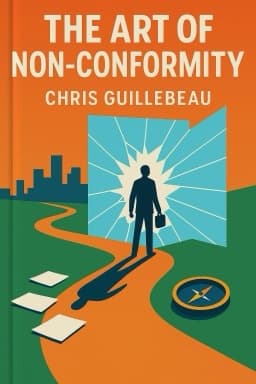
DIY Education: How to Build a World-Class Curriculum Without College
A Step-by-Step Guide to Creating Your Own Degree (and Why It Works)

A Step-by-Step Guide to Creating Your Own Degree (and Why It Works)
Is a traditional college degree the only path to knowledge and opportunity? Chris Guillebeau’s ‘The Art of Non-Conformity’ argues otherwise. In a world overflowing with information, the most valuable education is the one you design yourself. This blog explores how to create a self-directed curriculum that’s more relevant, affordable, and impactful than most formal programs.
Step 1: Identify Your Learning Goals
Start by asking: What do I want to know? What skills do I need? Guillebeau recommends making a list of knowledge gaps and curiosities, then mapping out a plan to address them. Your curriculum should reflect your ambitions—not someone else’s checklist.
Step 2: Curate Your Resources
With so many books, podcasts, online courses, and mentors available, you can build a world-class syllabus for a fraction of the cost of college. The book suggests combining reading, travel, volunteering, and hands-on projects to learn deeply and broadly.
Step 3: Learn by Doing
The most effective learning happens outside the classroom. Volunteer for causes, start a blog, launch a side project—anything that puts your knowledge into action. Guillebeau’s alternative graduate school plan includes real-world challenges, travel, and community service as core components.
Step 4: Measure Success by Impact
Forget grades and diplomas—focus on what you can do with what you’ve learned. Can you solve problems, help others, or create something new? The book is filled with stories of people who built careers, businesses, and movements without formal credentials, proving that results matter more than certificates. 4
Step 5: Keep Learning, Forever
Education is a lifelong journey. Stay curious, keep exploring, and update your curriculum as your goals evolve. The world is your classroom, and you are both the student and the teacher.
Conclusion
DIY education isn’t just possible—it’s often more effective and fulfilling than the traditional route. With intention, creativity, and a willingness to learn by doing, you can build a curriculum that prepares you for anything.
References:
2
4
3
Want to explore more insights from this book?
Read the full book summary