
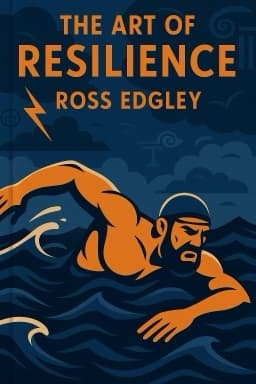
Fueling a 157-Day Swim: The Astonishing Nutritional Science Behind Ultra-Endurance
Explore the colossal caloric demands and innovative fueling strategies that powered the Great British Swim.

Endurance feats of this magnitude demand not only physical and mental strength but also a carefully orchestrated nutritional strategy. Ross Edgley’s Great British Swim burned between 10,000 and 15,000 calories daily — more than five times the average person’s intake.
Meeting such caloric needs required a dual-fuel approach: carbohydrates for immediate energy bursts and fats for long-lasting endurance, complemented by protein for muscle repair. Edgley consumed nearly 650 bananas over the swim, alongside soups and specialized meals designed to maximize nutrient density and palatability.
Gut training was essential. The digestive system adapted to process large volumes of food and fluids, reducing gastrointestinal distress — a common cause of dropout in endurance events. This adaptation was achieved through gradual exposure and careful meal timing.
Hydration was monitored in a uniquely human way — by the keen senses of a support crew member, whose observations of cabin odors indicated hydration status. This intuitive approach complemented scientific methods, underscoring the importance of personalized strategies.
Sleep and recovery were equally critical. Despite limited rest, strategic napping and understanding circadian rhythms helped maintain immune function and cognitive clarity. These factors combined to create a comprehensive system supporting sustained performance.
For anyone seeking to understand the nutritional demands of ultra-endurance, Edgley’s journey offers invaluable lessons on preparation, adaptation, and the power of food as resilience’s foundation.
Want to explore more insights from this book?
Read the full book summary