
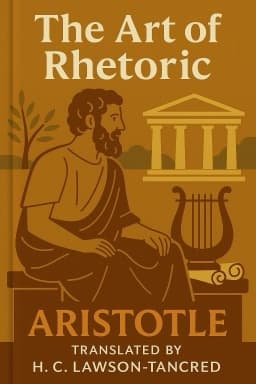
The Timeless Blueprint: How Aristotle’s Rhetoric Shapes Modern Communication
Trace the journey of rhetoric from ancient Greece to today’s classrooms and boardrooms.

Rhetoric’s journey from the bustling agoras of ancient Athens to today’s digital platforms is a testament to its enduring power. Aristotle’s systematic treatment of rhetoric laid the foundation for centuries of thought on how humans communicate and influence.
From Greece to Rome
Roman rhetoricians like Cicero and Quintilian embraced Aristotle’s principles, weaving them into educational curricula and public life. Their adaptations emphasized practical oratory skills combined with philosophical depth, ensuring rhetoric’s central place in Roman culture.
Medieval and Renaissance Revival
After a period of relative dormancy, Aristotle’s rhetoric was rediscovered during the medieval and Renaissance periods. It became a cornerstone of education, shaping political discourse, literature, and the emerging sciences. This revival underscored rhetoric’s role not just as speechcraft but as a mode of critical thinking and ethical communication.
Rhetoric in the Modern World
Today, rhetoric’s principles permeate fields as diverse as law, marketing, psychology, and education. Understanding how to craft messages that balance logic, emotion, and character remains essential for leadership, advocacy, and civic engagement. In a world awash with information, rhetoric helps us discern truth and communicate effectively.
Why Study Rhetoric?
Beyond professional utility, rhetoric cultivates critical thinking, ethical awareness, and empathy. It invites us to listen as well as speak, to understand differing perspectives, and to build communities through dialogue.
Aristotle’s rhetoric is not just a relic of the past but a living blueprint for communication that shapes our present and future.
Sources: Stanford Encyclopedia of Philosophy 1 , Memoria Press 4
Want to explore more insights from this book?
Read the full book summary