
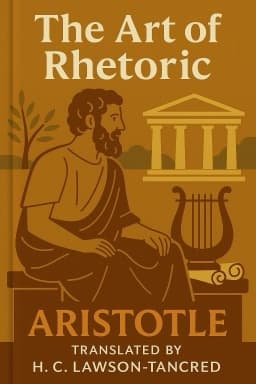
Why Aristotle’s Rhetoric Is the Ultimate Guide to Winning Any Argument
Harness the ancient secrets of rhetoric to dominate conversations and debates with integrity.

In the heat of debate, what separates a compelling speaker from one who falters? The answer lies in Aristotle’s timeless framework of rhetoric—the art and science of persuasion. Far from mere trickery, rhetoric is about engaging mind, heart, and character to present arguments that resonate deeply.
The Three Genres of Oratory
Aristotle identified three genres of rhetoric, each suited to different aims: deliberative (future-focused, urging decisions), forensic (judicial, concerned with justice about past actions), and epideictic (ceremonial, praising or blaming in the present). Understanding these genres helps tailor arguments to context—whether persuading a legislature, defending a client in court, or honoring a hero.
Building Your Argument: Logos, Pathos, and Ethos
Logical reasoning (logos) forms the backbone of any argument. Use enthymemes—rhetorical syllogisms that rely on shared beliefs—to lead your audience to likely conclusions. Complement this with emotional appeals (pathos) that stir feelings appropriate to your message, such as urgency or compassion, but always with ethical restraint.
Equally crucial is ethos—the credibility and character you project. Demonstrating intelligence, virtue, and goodwill not only builds trust but also makes your arguments more persuasive. An audience skeptical of your motives will resist even the soundest logic.
Structuring Your Speech for Maximum Impact
A well-arranged speech is like a well-built house. Begin with an introduction that dispels bias and prepares your audience. Follow with a clear narration of facts, then present your proofs and refutations, and conclude with a powerful epilogue that stirs emotions and reinforces your message.
Remember, clarity and style matter. Use metaphors and rhythm to make your speech memorable without sacrificing simplicity and appropriateness.
Practical Tips for Modern Debaters
Know your audience’s values and fears. Adapt your character accordingly. Use emotional appeals judiciously, and ground your arguments in solid logic. Practice your delivery to balance passion with reason.
By mastering Aristotle’s rhetoric, you not only win arguments—you do so with integrity, fostering respect and understanding.
Step into the arena with confidence and the art of persuasion as your greatest ally.
Sources: Stanford Encyclopedia of Philosophy 1 , The Collector 2 , Memoria Press 4
Want to explore more insights from this book?
Read the full book summary