
Nature vs. City: Why Escaping to the Wild Might Be the Best Therapy You’ve Never Tried
Discover how nature restores your mind and spirit in ways urban life cannot

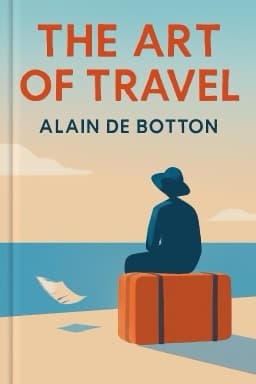
Modern city life brings many benefits but also a heavy psychological toll—stress, anxiety, envy, and social tensions. Nature, as William Wordsworth and Alain de Botton remind us, offers a powerful antidote to these urban ailments.
Wordsworth’s lifelong walks through the Lake District were not just physical journeys but spiritual communions with the natural world. His poetry elevated humble subjects like butterflies and daisies into symbols of joy, innocence, and healing.
Scientific research supports this poetic truth: exposure to natural environments reduces stress and restores mental balance. The rhythms and beauty of nature invite patience, humility, and reflection, counteracting the relentless pace and social pressures of city life.
Even rugged or harsh landscapes teach resilience and acceptance, reminding us that life includes struggle and grace. This perspective can transform how we understand happiness, grounding it in harmony with the world rather than fleeting pleasures.
Travel that includes time in nature thus becomes not just recreation but therapy for the soul, enriching our experience and well-being.
Sources: The Art of Travel - Alain de Botton (archive.org), Goodreads 1 2
Want to explore more insights from this book?
Read the full book summary