
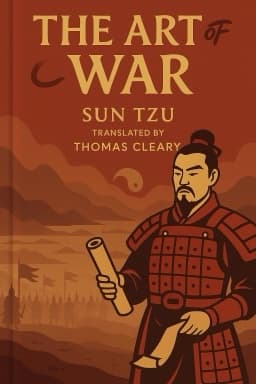
Unlocking Sun Tzu’s Secrets: How The Art of War Can Make You a Modern-Day Strategist
Why 2,500-Year-Old Military Wisdom Is the Ultimate Life Hack

Why 2,500-Year-Old Military Wisdom Is the Ultimate Life Hack
Imagine a world where every challenge—be it a tough meeting, a career crossroads, or a relationship hiccup—could be approached with the calm confidence of a master strategist. That’s the promise of Sun Tzu’s The Art of War. Far from being just a manual for generals, this slim volume is a treasure chest of insights for anyone who wants to thrive in the chaos of modern life. Its enduring advice is not about fighting more, but about fighting smarter—and, when possible, not fighting at all.
Sun Tzu’s first lesson is about self-knowledge. “Know yourself and you will win all battles.” This isn’t just ancient poetry; it’s actionable advice. Before you step into a negotiation or take on a new project, pause and ask: What are my true strengths? Where am I vulnerable? A job seeker who understands their unique skills can tailor their pitch to the perfect employer. A leader who knows their blind spots can build a team that balances them out. In a world obsessed with external competition, Sun Tzu reminds us that the most important battle is internal.
Next, Sun Tzu teaches us to assess our environment—what he calls “terrain.” In today’s terms, this means reading the room, understanding the market, or sizing up the competition. Preparation is everything. The best negotiators don’t just show up; they do their homework, anticipate objections, and prepare alternatives. Success is often decided before the first move is made.
But what if things change? Here, Sun Tzu’s metaphor of water is key: “Water shapes its course according to the nature of the ground.” The most successful people aren’t rigid; they adapt. When a project stalls, a flexible leader pivots. When a business faces disruption, the survivors are those who innovate, not those who cling to the old ways. Adaptability is the ultimate competitive advantage.
Another powerful lesson is the value of unity and morale. Sun Tzu knew that a cohesive team could overcome almost any obstacle. In families, companies, or communities, shared purpose and mutual trust turn groups into unstoppable forces. Leaders who listen, reward fairly, and inspire loyalty don’t just get compliance—they get commitment.
Finally, Sun Tzu’s highest form of strategy is to win without fighting. This means resolving conflicts before they escalate, negotiating win-win solutions, and using wisdom over brute force. In business, this might mean forming alliances instead of crushing rivals. In daily life, it could mean finding common ground instead of arguing.
In conclusion, The Art of War is a guidebook for anyone who wants to live and lead with wisdom. Whether you’re navigating office politics, launching a startup, or just trying to be a better friend, Sun Tzu’s lessons are as relevant as ever. The real secret? Strategy isn’t about defeating others—it’s about mastering yourself and your circumstances. Let Sun Tzu be your silent mentor, and watch every area of your life transform.
Want to explore more insights from this book?
Read the full book summary