
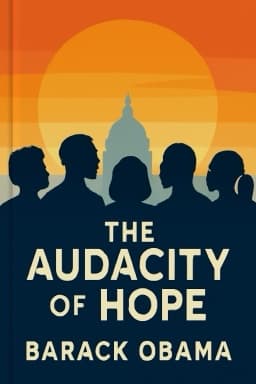
Race, Identity, and the American Dream: Complex Truths You Need to Know
A nuanced exploration of race and identity shaping America’s political and social landscape.

Race and identity remain central to understanding America’s social and political fabric. The rise of the black middle class over recent decades has reshaped communities and challenged stereotypes, revealing a spectrum of experiences and aspirations.
At the same time, persistent economic disparities and cultural breakdowns continue to affect many inner-city neighborhoods. These challenges are not merely financial but deeply tied to social cohesion, education, and community values. Addressing them requires policies that consider both material conditions and cultural dynamics.
Understanding these complexities demands empathy and a willingness to listen to varied voices within racial groups. It also involves recognizing the universal desire for dignity, opportunity, and belonging that transcends identity categories.
By embracing this perspective, America can move toward policies that heal divisions and foster a more inclusive democracy—one that reflects the richness of its people’s experiences and hopes.
Next, we broaden our lens to consider how America’s role on the global stage intersects with these domestic realities, shaping both security and values.
Want to explore more insights from this book?
Read the full book summary