
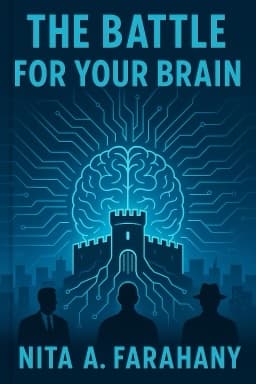
Neurotechnology and Government Surveillance: Are Your Thoughts Truly Yours?
The alarming rise of brain monitoring by states and the fight to protect our cognitive freedom

Imagine your government monitoring not just your actions or communications, but your very thoughts. This is becoming a reality in some parts of the world where EEG devices embedded in train conductors’ hats monitor alertness, and brain fingerprinting techniques are used in criminal investigations to detect knowledge of crimes.
Freedom of thought is an absolute human right, guaranteeing a private mental space free from fear of reprisal. Yet, neurotechnology threatens this sanctum by enabling states to surveil and potentially punish individuals based on their brain activity.
The societal impact is profound. Widespread brain surveillance fosters self-censorship, conformity, and erosion of democratic freedoms. People may retreat into silence, stifling dissent and diversity of ideas.
Current international laws protect freedom of thought but have not caught up with the challenges posed by neurotechnology. There is a growing call for neurorights—new legal protections specifically addressing brain data and cognitive liberty.
This blog explores these critical issues, urging readers to recognize the stakes and advocate for robust safeguards that preserve the freedom to think and express freely in the digital age.
Want to explore more insights from this book?
Read the full book summary