
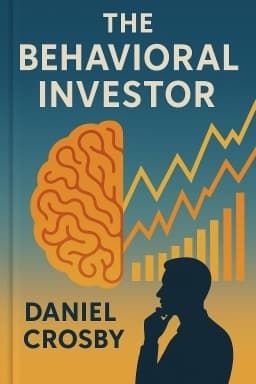
From Chaos to Calm: How Behavioral Investing Can Save Your Portfolio in Turbulent Times
Navigate market storms with behavioral insights that help you stay calm, avoid panic, and protect your wealth.

Market crashes, sudden sell-offs, and dramatic swings can feel like a personal assault on your financial well-being. The natural reaction is fear, which triggers fight-or-flight responses deeply embedded in our ancient brain. This emotional upheaval often leads to panic selling and locking in losses.
Behavioral investing sheds light on why we react this way and offers tools to break the cycle. Stress hormones like cortisol flood the brain during crises, impairing memory and decision-making. Recognizing this physiological response allows investors to pause and avoid impulsive actions.
Mindfulness meditation trains the brain to observe emotions without reacting, fostering calmness. Rules-based investing provides a safety net, guiding decisions with pre-set criteria rather than feelings. Diversification cushions portfolios against shocks, reducing the temptation to abandon long-term plans.
Importantly, behavioral investing accepts human nature rather than fighting it. By designing portfolios and strategies that align with psychological realities, investors can remain steady through storms and seize opportunities others miss.
In volatile markets, calm is your greatest asset. Behavioral insights empower you to cultivate it.
Want to explore more insights from this book?
Read the full book summary