
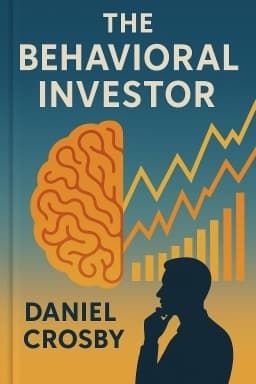
Unlocking Your Financial Mind: The Shocking Truth About How Your Brain is Costing You Money!
Discover the hidden ways your ancient brain sabotages your investments and how to outsmart it for financial success.

Have you ever wondered why, despite all the data and advice available, so many investors still make costly mistakes? The answer lies not in the markets themselves but within the very organ you rely on to make decisions: your brain. This organ, magnificent and complex, is a product of evolution designed for survival in a world far removed from Wall Street’s flashing tickers and complex financial instruments.
Our brains evolved approximately 150,000 years ago, optimized to conserve energy, seek immediate rewards, and respond rapidly to threats. These traits were lifesaving when hunting and gathering but can misfire in today’s markets, leading to impatience, impulsive trading, and emotional decision-making. For example, dopamine—a chemical messenger linked to pleasure—spikes when we anticipate gains, encouraging excessive trading that studies show often reduces returns.
Moreover, money itself is a shared social narrative, a collective fiction that enables cooperation on a scale no other species can match. This shared belief system underpins all markets and investing but also makes them vulnerable to the emotional tides of human psychology. When fear or greed sweep through, markets swing wildly, often detached from fundamentals.
Physiological states such as hunger, stress, and fatigue profoundly affect investing behavior. Research reveals judges' decisions vary with meal times, and stress hormones like cortisol reduce risk tolerance by up to 44%. Even subtle bodily cues can influence patience and impulsivity, underscoring the inseparability of mind and body in financial decision-making.
Ego and confirmation bias further cloud judgment. Most people believe they are above average, leading to overconfidence and the tendency to seek information that confirms existing beliefs. This mental armor protects self-esteem but often results in ignoring warning signs and doubling down on poor investments.
Conservatism—the preference for the familiar—creates inertia in portfolios. Investors cling to losing positions due to sunk costs and avoid change despite better opportunities. This comfort with the status quo often costs more than the fear of loss it seeks to avoid.
Our attention is hijacked by vivid stories and media sensationalism, distorting risk perception. Dramatic headlines and emotional narratives capture focus disproportionately, leading to panic selling or euphoric buying that fuels market volatility.
Emotions, especially fear and greed, are the invisible investors influencing every trade. Elevated stress impairs cognition and promotes risk aversion, while greed blinds us to danger during booms. Mindfulness and automation emerge as powerful tools to manage these emotional waves.
To conquer these challenges, behavioral investing advocates practical strategies: diversification to counter ego, rules-based frameworks to limit impulsivity, dialectical bootstrapping to harness collective wisdom, and psychological diversity to reduce groupthink. These tools transform insight into disciplined action.
Finally, a 'third way' portfolio construction blends passive and active strategies informed by behavioral science. This approach accepts human nature rather than fighting it, aiming for enduring success by balancing cost, risk, and emotion.
Understanding and mastering your brain’s influence on investing is not just academic—it is the key to unlocking financial resilience and peace of mind. The journey begins with awareness and continues with deliberate practice and humility.
Whether you are just starting or looking to refine your investing approach, embracing behavioral insights can help you avoid costly mistakes and achieve your financial goals with greater confidence.
Invest wisely, knowing your greatest asset is the mind guiding your money.
Want to explore more insights from this book?
Read the full book summary