
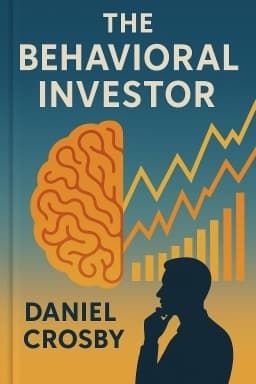
Why Your Emotions Are Ruining Your Portfolio (And How to Fix It)
Explore the emotional traps that destroy portfolios and discover mindfulness techniques to regain control and invest wisely.

Have you ever sold stocks in a panic during a market downturn or bought into a hype-fueled bubble only to regret it later? You’re not alone. Emotions like fear and greed are powerful forces that often override rational analysis and sabotage investment returns.
Scientific research reveals that stress hormones such as cortisol reduce risk-taking by up to 44% and impair cognitive functions like memory and attention. This explains why investors tend to become overly cautious or impulsive when markets become volatile.
Loss aversion triggers brain regions associated with physical pain, making the fear of losing money intensely visceral. This emotional pain leads to freezing or rash decisions that often lock in losses rather than preserving capital.
Mindfulness meditation emerges as a powerful antidote. By training attention and emotional regulation, investors can observe feelings without reacting impulsively. Studies show that mindfulness reduces emotional reactivity, helping investors stick to their plans during turbulence.
Automation and rules-based investing further support emotional discipline by removing the need for frequent subjective decisions. Setting predefined guidelines for buying, selling, and rebalancing helps avoid costly emotional mistakes.
Recognizing the invisible emotional investor beside you is the first step. With awareness and practice, you can regain control, make clearer decisions, and build a portfolio that weathers the storms of human nature.
Invest not just with your mind but with a calm heart.
Want to explore more insights from this book?
Read the full book summary