
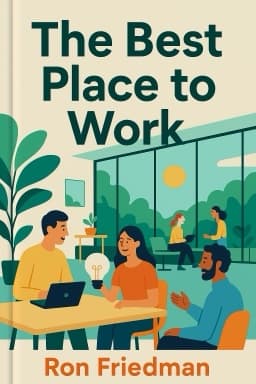
Unlocking the Secrets to the Best Workplace: Why Failure, Play, and Pride Matter More Than You Think
Discover how embracing failure, designing inspiring environments, and fostering authentic pride can transform any workplace into a thriving hub of innovation and happiness.

Imagine a workplace where failure is not feared but celebrated as a stepping stone to greatness. Where the physical environment subtly nudges creativity and focus. Where play and rest are integral parts of the workday, not luxuries. And where authentic pride and meaningful relationships fuel engagement and retention. This is not a utopia; it is a vision grounded in science and practice that is reshaping how we think about work.
Embracing Failure: The Hidden Path to Success
Failure is often painted as the enemy of success, but the truth is more nuanced and hopeful. The legendary baseball player who holds the record for both most home runs and most strikeouts exemplifies a crucial lesson: prolific attempts, even if they include many failures, are essential for breakthroughs. Similarly, a young man who deliberately faced 130 rejections in a month transformed his fear and social anxiety into confidence and skill. Organizations that reward 'intelligent failures' and maintain 'Failure CVs' foster cultures where risk-taking leads to innovation.
The Power of Place: How Environment Shapes Our Mind
The spaces we inhabit influence how we think and perform. Higher ceilings promote abstract thinking and creativity, while colors like red enhance focus on details but may limit big-picture thinking. Moderate background noise, akin to a café ambiance, can boost creative problem-solving by encouraging flexible thinking. Natural light and views of greenery reduce stress and improve satisfaction. The evolution from cubicles to open-plan offices highlights the ongoing quest to balance privacy, communication, and focus. Personalizing workspaces fosters ownership and motivation.
Why Play and Rest Are Essential for Smarter Work
Contrary to the hustle culture myth, strategic distraction and playfulness enhance creativity and decision-making. Studies show that unconscious thought after absorbing complex information leads to better choices than intense conscious deliberation. Adopting a childlike mindset boosts idea generation, and short bursts of exercise increase brain function and mood. Rest, including naps, is vital for alertness and creativity. Companies that incorporate playful zones and encourage breaks see tangible gains in wellbeing and output.
The Social Fabric: Why Workplace Friendships Matter
Friendships at work are not just nice-to-have; they are critical for engagement and performance. Employees with best friends at work are seven times more likely to be engaged. Loneliness impairs cognition and increases stress, harming productivity. Shared activities and superordinate goals unite teams, fostering trust and cooperation. Effective onboarding integrates new hires socially and professionally, accelerating belonging and contribution.
Authentic Pride and Leadership: Building Lasting Engagement
Not all pride is equal. Authentic pride, rooted in effort and achievement, fosters confidence, humility, and collaboration. Hubristic pride, based on innate talent, often leads to arrogance and insecurity. Leaders who recognize effort and support psychological needs of autonomy, competence, and relatedness unlock intrinsic motivation. Inflated job titles may temporarily boost satisfaction but can harm credibility and engagement long-term.
Seeing Potential: Hiring Beyond the Surface
Hiring decisions are often compromised by biases like first impressions and halo effects. Structured interviews with standardized questions reduce these blind spots. Focusing on learning ability, adaptability, and growth mindset predicts long-term success better than pedigree or charisma. Recognizing hidden potential opens doors to diverse talent and fosters cultures of growth and resilience.
Fostering Pride: The Heartbeat of Engagement
Organizational pride drives retention and discretionary effort. Visible values, rituals, and sincere recognition embed culture deeply into daily work. Leaders must cultivate authentic pride through transparent communication and meaningful acknowledgment. This emotional connection transforms workplaces into communities where people want to stay and contribute fully.
Creating the Best Place to Work: A Holistic Journey
The best workplaces do not emerge from isolated fixes but from integrated strategies that combine environment, motivation, relationships, and leadership. Investing in employee happiness yields market outperformance and innovation. Small, thoughtful changes ripple outward, creating workplaces where people thrive. This journey is ongoing and requires commitment to continuous learning and adaptation.
Incorporating these insights can transform your organization into a thriving, innovative, and joyful place to work. Embrace failure, design thoughtfully, encourage play and rest, build friendships, lead with authentic pride, hire for potential, and nurture culture. Together, these form the foundation for sustainable success in the modern workplace.
References:
Keystone Group International, "21 Books On Workplace Culture"
1
Business Leadership Today, "The 10 Best Books on Company Culture"
2
Next Big Idea Club, "6 Books for Building a Better Workplace"
3
Medium, "10 insightful books that focus on human resources"
4
Want to explore more insights from this book?
Read the full book summary