
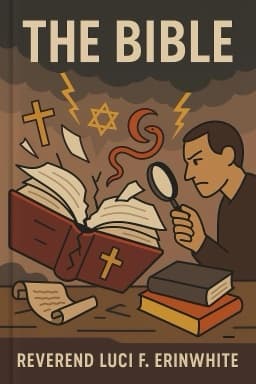
Why the Bible’s Contradictions Are Its Greatest Strength
Explore how biblical contradictions deepen faith and invite critical thinking rather than weaken belief.

At first glance, contradictions in the Bible might seem like problems to be solved or errors to be corrected. However, these very contradictions reveal the Bible’s profound depth and invite us into a more mature, dynamic faith.
The Bible portrays God as both loving and wrathful, merciful and just. This duality is not a mistake but a reflection of the divine nature’s complexity. It reminds us that faith involves embracing mystery and tension, not simplistic answers. For example, the commandment "You shall not kill" exists alongside narratives of divinely sanctioned wars, illustrating different facets of justice and divine will.
Ethical contradictions, such as the endorsement of slavery in some texts, force modern readers to confront the historical context of scripture and the evolution of moral understanding. These tensions encourage believers to interpret the Bible through the lens of compassion and justice, not literalism.
Moreover, the problem of evil — why suffering exists if God is benevolent — is a central biblical theme explored in books like Job. This honest grappling with doubt and pain offers comfort to many, showing that questioning is part of faith.
The New Testament’s diverse Gospel accounts further illustrate the Bible’s dialogic nature. Each author presents Jesus’ life and resurrection differently, reflecting varied theological emphases and community needs. This plurality enriches rather than undermines Christian belief.
By embracing contradictions, we open ourselves to a faith that is resilient, reflective, and relevant. The Bible becomes a conversation partner — challenging, comforting, and inspiring us across time and culture.
In conclusion, the Bible’s contradictions are not weaknesses but strengths that invite us into a deeper, more authentic spirituality. They remind us that faith is a journey, not a destination, and that divine truth often dwells in paradox.
References:
Want to explore more insights from this book?
Read the full book summary