
Mimicry and Deception: The Clever Tricks Birds Use to Survive and Thrive
Explore how birds use vocal mimicry and deception to manipulate rivals, steal food, and attract mates.

Birds wield their voices as instruments of beauty and cunning.
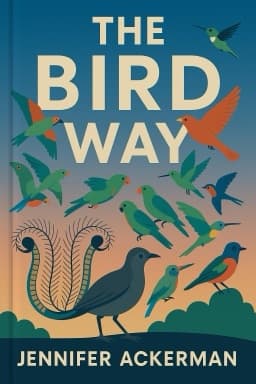
Lyrebirds, with their ornate tails and mesmerizing songs, imitate dozens of bird species and mechanical sounds like camera shutters and chainsaws. This mimicry enchants females and confuses rivals, showcasing advanced cognitive skills.
Fork-tailed drongos take deception further by mimicking alarm calls to frighten other birds away from food. They adapt their tactics when victims grow suspicious, demonstrating flexible and strategic thinking.
Mimicry is learned socially. Young birds acquire these vocal tricks from parents and neighbors, developing local dialects and traditions that add richness to avian communication.
Through mimicry and deception, birds reveal minds capable of creativity, strategy, and social awareness. They challenge our assumptions about animal intelligence and invite us to appreciate the nuanced dialogues playing out in the natural world.
Finally, we reflect on what birds teach us about intelligence and the nature of life itself.
Sources: The Intelligence of Bird Vocal Mimicry - Walking Mountains Blog, 2024; Recent Research on Bird Deception, 2023
Want to explore more insights from this book?
Read the full book summary