
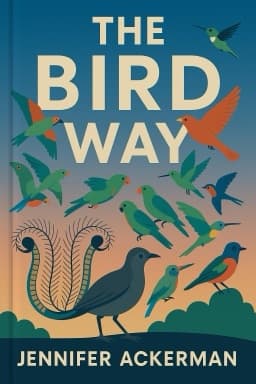
Playful Geniuses: How Birds Use Play to Sharpen Their Minds and Social Bonds
Discover the surprising world of bird play, where fun meets brainpower and social complexity.

In the vibrant forests of New Zealand, kea parrots slide down snowy slopes, toss objects, and solve puzzles with a playful curiosity that rivals many mammals.
Birds that engage in play tend to have larger brains relative to their body size, suggesting a link between play and intelligence. Play fosters learning by providing a safe space to experiment with new behaviors, practice motor skills, and build social relationships.
Moreover, birds exhibit distinct personalities. Observers can identify individuals by their unique behaviors and social preferences. This individuality enriches social dynamics and enables complex group interactions.
From cockatoos dancing to music to juvenile birds engaging in mock fights, play reveals a joyful and sophisticated side of avian life that deepens our understanding of animal minds.
Recognizing the importance of play in birds invites us to appreciate their intelligence and social complexity beyond survival instincts. It opens a window into their world of innovation, joy, and learning.
Next, we explore the captivating and sometimes deceptive courtship rituals that birds use to attract mates.
Sources: The Intelligence of Bird Vocal Mimicry - Walking Mountains Blog, 2024; Studies on Kea Parrot Cognition, 2023
Want to explore more insights from this book?
Read the full book summary