
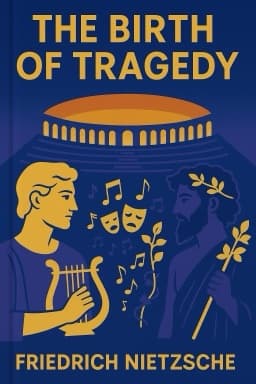
The Hidden Power of Music and Myth in Nietzsche’s Birth of Tragedy — Why They Matter More Than Ever
Discover how music and myth unlock the primal will and why they remain essential for modern culture

Among the many insights in Nietzsche’s The Birth of Tragedy, perhaps none is as profound as his elevation of music to the highest form of art. Unlike painting or poetry, which imitate or symbolize, music expresses the metaphysical will directly — the primal force underlying all existence.
This unique power makes music the voice of the Dionysiac spirit, capable of conveying emotions and truths beyond language or image. Music dissolves the boundaries of the self, immersing us in a collective ecstasy that reveals the unity beneath the world’s appearances.
From this musical foundation arises myth — symbolic stories crafted to translate the ineffable feelings music evokes into narratives accessible to the human mind. Myths are not mere tales but metaphysical symbols that embody the primal contradictions of life: suffering and joy, fate and freedom.
Nietzsche shows how Greek tragedy was born from this interplay of music and myth, with the chorus embodying the Dionysiac ecstasy and the plot shaped by mythic narrative. This art form offered a profound aesthetic justification of existence, embracing life’s paradoxes rather than denying them.
However, the rise of rationalism and the decline of mythic thinking led to tragedy’s transformation and cultural loss. Modern art often lacks this metaphysical depth, reducing music and myth to entertainment or decoration.
Yet, the German musical tradition, especially the works of Wagner and Beethoven, represents a powerful revival of the Dionysiac spirit. Their music rekindles the tragic vision, blending mythic symbolism with emotional intensity to restore art’s spiritual and philosophical power.
In a world increasingly dominated by reason and technology, Nietzsche’s call to recognize music and myth’s hidden power remains urgent. They offer a path back to primal wisdom, helping us reconnect with the deeper currents of life and existence.
Sources: Philosophy Now, SparkNotes, Study.com 3 1 4
Want to explore more insights from this book?
Read the full book summary