
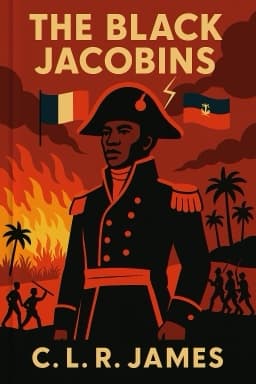
How The Black Jacobins Unveils the Untold Power of the Haitian Revolution
Discover the epic story of slaves who changed the course of history and the visionary who led them.

The Haitian Revolution stands as one of the most remarkable uprisings in human history, yet its depth and significance often remain underappreciated. In The Black Jacobins, C.L.R. James brings this story to life with unparalleled passion and scholarship, painting a vivid portrait of courage, strategy, and resilience.
James begins by exposing the brutal realities of the transatlantic slave trade. Millions of Africans were torn from their homes, packed into ships under horrific conditions, and sold into a system designed to strip them of humanity. The mortality rates were staggering, with many dying even before the journey began. This foundation of cruelty set the stage for an explosive resistance that would shake the colonial world to its core.
The colony of San Domingo was a microcosm of racial and social complexity, with whites, free Mulattoes, and enslaved Africans locked in a rigid hierarchy. James meticulously details the 128 racial classifications and the tensions that brewed beneath the surface. Free people of color, despite owning slaves and plantations themselves, faced systemic discrimination and exclusion from political power. These divisions created a volatile environment ripe for revolution.
When the French Revolution’s ideals of liberty and equality reached the colony, they collided with entrenched interests and racial prejudices. Petitions from free people of color for equal rights were repeatedly denied, escalating tensions. The enslaved majority, inspired by these upheavals and their own yearning for freedom, organized a massive revolt. Voodoo ceremonies and African spiritual traditions played a crucial role in uniting and motivating the rebels.
At the heart of this uprising was Toussaint L’Ouverture, a man whose extraordinary intellect and leadership transformed the revolution. Educated despite his slave origins, Toussaint combined military genius with political savvy, leading the revolutionaries to stunning victories against European powers. His story exemplifies how individual agency and historical forces intertwine.
The revolutionaries’ use of guerrilla tactics and their resilience in the face of disease and superior weaponry decimated invading armies. Yet, the struggle was marked by betrayal — Toussaint’s arrest and death in French captivity was a devastating blow. His successor’s ruthless measures, including the massacre of white settlers, cemented the irreversible break from colonial rule.
Haiti’s independence sent shockwaves worldwide, accelerating the end of the Atlantic slave trade and inspiring Pan-Africanism and anti-colonial movements. James’s work reframes history by centering the enslaved as active agents who shaped their destiny, offering timeless lessons on freedom, justice, and human dignity.
In sum, The Black Jacobins is not just a history book; it’s a powerful narrative that challenges us to rethink leadership, revolution, and the capacity of oppressed peoples to change the world. Its rich detail and profound insights make it essential reading for anyone seeking to understand the roots of modern freedom movements.
Sources: 1 , 3 , 4
Want to explore more insights from this book?
Read the full book summary