
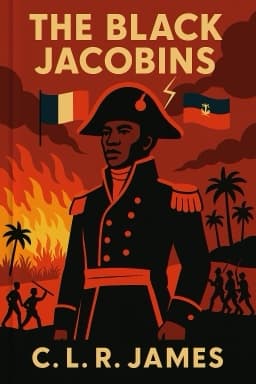
Why The Black Jacobins Is a Must-Read for Understanding Modern Social Justice
Connecting the dots between past revolutions and today’s struggles for equality.

In an era where social justice movements are gaining unprecedented momentum, understanding the historical roots of resistance is crucial. The Black Jacobins by C.L.R. James offers a profound lens through which to view these struggles.
The Haitian Revolution was not just a fight for freedom from slavery; it was a radical assertion of human dignity against a system designed to dehumanize. James’s narrative centers the voices and actions of the enslaved, portraying them as intelligent, strategic, and deeply committed to justice. This challenges the often passive portrayals of oppressed peoples in mainstream history.
The leadership of Toussaint L’Ouverture exemplifies how marginalized individuals can rise to shape their destiny and lead transformative change. His story resonates today with activists who confront entrenched systems of inequality and fight for political and economic empowerment.
Moreover, the revolution’s global impact — hastening abolition, inspiring Pan-Africanism, and challenging colonial empires — underscores the interconnectedness of struggles for justice. The lessons of unity, resilience, and strategic action remain relevant for contemporary movements addressing racial injustice, economic exploitation, and political disenfranchisement.
Reading The Black Jacobins equips us with historical perspective and inspiration, reminding us that systemic change is possible even against overwhelming odds. It invites reflection on how history is written and whose stories are told, urging us to amplify marginalized voices in our ongoing quest for equality.
Ultimately, this book is not just about the past; it is a call to action for the present and future.
Sources: 1 , 3
Want to explore more insights from this book?
Read the full book summary