
The 3 Big Myths About Human Nature (And Why They’re Holding Us Back)
What you believe about the mind, morality, and free will might be wrong—here’s what science really says.

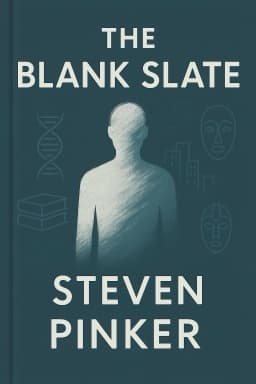
Why do so many of us cling to the idea that people are born as blank slates, that society corrupts an innocent nature, or that our minds float free from our bodies? Steven Pinker’s 'The Blank Slate' reveals how these three myths—the blank slate, the noble savage, and the ghost in the machine—have shaped modern society in ways that are both profound and problematic.
The blank slate myth suggests we are born as empty vessels, ready to be molded by parents, teachers, and culture. The noble savage myth imagines a time when humans lived in harmony, corrupted only by civilization. The ghost in the machine myth holds that our minds are separate from our bodies, giving us total freedom—and total responsibility—for our actions.
Pinker shows how these myths have influenced everything from the classroom to the courtroom. For decades, education policies have assumed that all children start from the same place, ignoring differences in temperament, ability, and learning style. Criminal justice systems have swung between blaming society for crime and holding individuals wholly responsible, missing the complex interplay of genes, environment, and chance.
But the science tells a different story. Twin studies, brain imaging, and cross-cultural research reveal that human nature is real and robust. We are not infinitely malleable, nor are we doomed by our genes. Instead, we are born with capacities—language, empathy, aggression, curiosity—that unfold in different ways depending on our environment. Recognizing this complexity is the first step toward smarter, fairer policies.
Moving beyond these myths doesn’t mean giving up on progress or compassion. It means understanding that real change comes from working with human nature, not against it. It means designing schools that respect individual differences, creating laws that balance accountability with understanding, and building communities that nurture both our shared and unique traits.
So next time you hear someone talk about 'blank slates,' 'noble savages,' or 'ghosts in machines,' remember: these ideas are holding us back. The future belongs to those who embrace the truth—and the possibilities—of human nature.
Sources: 2 3 4
Want to explore more insights from this book?
Read the full book summary