
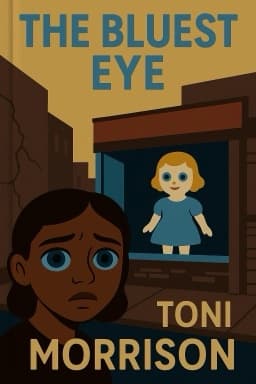
From Tragedy to Transformation: The Enduring Lessons of 'The Bluest Eye'
Reflecting on the novel’s conclusion and its powerful message of hope and communal responsibility.

The final chapters of Toni Morrison’s The Bluest Eye confront readers with the devastating consequences of neglect and internalized oppression. Pecola’s retreat into an imaginary world, where she believes she has attained the coveted blue eyes, is both heartbreaking and illuminating.
The novel’s conclusion extends its critique beyond individuals to implicate the entire community. The silence and inaction of neighbors and society contribute to Pecola’s downfall, emphasizing that healing requires collective responsibility. Morrison’s narrative urges readers to acknowledge uncomfortable truths and to engage actively in fostering empathy and support within their communities.
Despite its tragic elements, the novel is ultimately a call for transformation. It challenges harmful beauty standards and racial hierarchies, advocating for a world where acceptance and love transcend superficial ideals. The failed marigold seeds symbolize fragile hope, reminding us that while change is difficult, it is not impossible.
Through its unflinching portrayal of pain and resilience, The Bluest Eye remains a vital work for understanding the intersections of race, trauma, and healing. It inspires readers to reflect on their own roles in perpetuating or dismantling systems of oppression.
For all who seek to engage with literature as a force for social justice and personal growth, Morrison’s novel offers enduring lessons and hope.
Want to explore more insights from this book?
Read the full book summary