
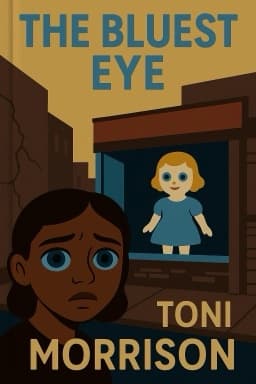
The Bluest Eye’s Narrative Genius: How Storytelling Shapes Our Understanding of Race and Pain
Discover how Morrison’s innovative storytelling deepens the emotional and thematic power of her novel.

Toni Morrison’s The Bluest Eye is as much a triumph of narrative form as it is a profound social critique. The novel’s fragmented, multi-perspective storytelling challenges conventional linear narratives and immerses readers in the complex emotional landscapes of its characters.
This narrative complexity mirrors the fractured identities and traumas experienced by the characters. The non-linear timeline requires readers to piece together events and histories, reflecting how memory and trauma disrupt conventional storytelling. Morrison’s poetic language and vivid imagery further deepen the emotional resonance, making the pain and hope palpable.
Symbolism plays a crucial role. The houses, dolls, mirrors, and the recurring motif of blue eyes serve as metaphors for the characters’ inner worlds and societal pressures. The dilapidated Breedlove home reflects poverty and neglect, while the dolls embody unattainable beauty ideals imposed by a racist culture.
By employing these literary devices, Morrison not only tells a story but also invites readers into an active engagement with themes of race, beauty, and psychological survival. The novel’s enduring influence is evident in its continued study in academic settings and its power to provoke meaningful dialogue on identity and oppression.
For those passionate about literary innovation and social justice, The Bluest Eye stands as a seminal work demonstrating how storytelling can illuminate and challenge deeply ingrained cultural narratives.
Want to explore more insights from this book?
Read the full book summary