
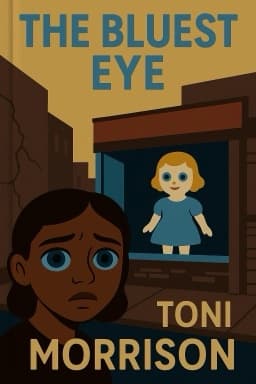
Unpacking the Pain and Hope in 'The Bluest Eye': A Journey Through Family, Community, and Healing
How Morrison’s novel exposes family trauma and community silence while offering a glimmer of hope.

At the heart of Toni Morrison’s The Bluest Eye lies a searing examination of family trauma and community neglect. The Breedlove family’s story is one of violence, poverty, and emotional abandonment.
The community’s role is equally critical. Rather than offering support, neighbors often turn away, gossip, or silently judge, leaving Pecola isolated and unprotected. This collective neglect is a powerful commentary on how societal silence can perpetuate cycles of trauma and despair.
Yet, amidst the darkness, the novel offers glimpses of resilience. Claudia and Frieda’s compassion toward Pecola, the symbolic planting of marigold seeds as a hope for renewal, and the narrative’s ultimate call for acknowledgment and healing all suggest that change is possible.
By intertwining personal tragedy with social critique, The Bluest Eye invites a profound reflection on how families and communities shape identity and well-being. It is a call to action to break cycles of neglect and to nurture love and acceptance.
For anyone seeking to understand the complex dynamics of trauma and healing within marginalized communities, Morrison’s novel offers invaluable insight and inspiration.
Want to explore more insights from this book?
Read the full book summary