
Healing Trauma Without Words: The Power of Body-Centered Therapies
Why traditional talk therapy isn’t enough and how engaging the body can unlock deep healing for trauma survivors.

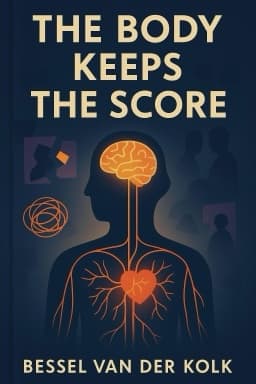
For many trauma survivors, words alone cannot fully capture or heal the pain held deep within. Trauma is stored in the body, manifesting as chronic pain, tension, and a disconnection from physical sensations. This somatic imprint means that traditional talk therapy, while valuable, often needs to be complemented by approaches that engage the body directly.
Practices such as yoga and breathwork teach survivors to gently tune into their bodies, noticing sensations without judgment and calming the nervous system. Massage and somatic therapies release stored tension and help rebuild a sense of safety within the physical self.
Neurofeedback offers a way to train brain activity toward balance, improving emotional regulation. EMDR uses bilateral stimulation to help the brain reprocess traumatic memories, reducing their emotional charge.
These therapies work bottom-up, addressing the physiological roots of trauma and enabling survivors to reclaim control and presence. Stories of individuals finding relief through rhythmic drumming, movement, or gentle touch underscore the transformative power of body-centered healing.
Integrating mind and body approaches provides a holistic path to recovery, restoring wholeness and vitality lost to trauma.
References: Bessel van der Kolk, somatic therapy research, clinical case studies. 1 4
Want to explore more insights from this book?
Read the full book summary