
Unlocking the Hidden Secrets of Trauma: How Your Body Holds the Key to Healing
Discover the groundbreaking science behind trauma’s imprint on body and brain, and why healing starts where words often fail.

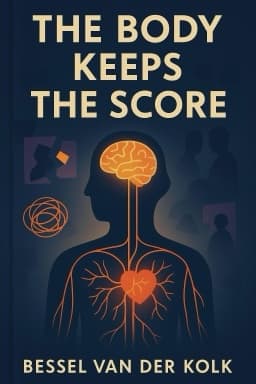
Trauma is often thought of as a story told by the mind, a memory to be remembered or forgotten. But what if the real story is written not just in our thoughts, but etched deeply into our bodies? Bessel van der Kolk’s groundbreaking book, 'The Body Keeps the Score,' reveals that trauma leaves an indelible mark on the body and brain, reshaping our physiology in ways we are only beginning to understand.
Imagine the brain’s amygdala as a smoke detector, instantly sensing danger and triggering the body’s fight or flight response. In trauma survivors, this alarm system becomes hypersensitive, sounding off at the slightest hint of threat, even when none exists. Meanwhile, the prefrontal cortex—the brain’s watchtower responsible for rational judgment—loses its ability to calm this alarm, leaving the individual trapped in a state of constant fear and hypervigilance.
But trauma is not only a story of the brain. It is stored somatically—within muscles, organs, and the nervous system—manifesting as chronic pain, autoimmune disorders, and unexplained physical symptoms. Survivors often feel disconnected from their bodies, as if living behind a glass wall, unable to fully access sensations that make life vibrant.
Healing requires more than talk; it demands a reconnection with the body. Therapies such as Eye Movement Desensitization and Reprocessing (EMDR) use bilateral stimulation to help the brain reprocess traumatic memories, reducing their emotional charge. Yoga and somatic therapies foster body awareness and nervous system regulation, helping survivors regain control and safety.
Community and social connection are equally vital. Trauma thrives in silence and isolation, but healing flourishes in empathy and shared experience. Group therapy, peer support, and creative arts provide safe spaces where survivors can rebuild trust and identity.
Thanks to the brain’s neuroplasticity, recovery is possible. The brain can reorganize, new neural pathways can form, and survivors can reclaim their narrative, agency, and hope. Trauma leaves its mark, but it does not define our destiny.
This blog invites you to explore these transformative insights, grounded in science and human experience, offering a path from hidden pain to empowered healing.
References: Bessel van der Kolk, 'The Body Keeps the Score'; recent research on trauma neuroscience and somatic therapies. 1 4
Want to explore more insights from this book?
Read the full book summary