
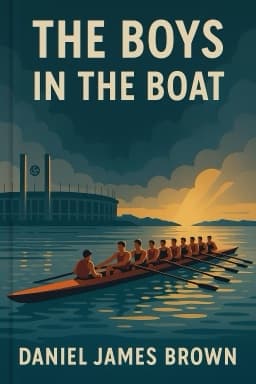
The 1936 Berlin Olympics: How The Boys in the Boat Rowed Through History and Politics
Explore the tense political backdrop of the 1936 Games and the symbolic power of an American victory.

The 1936 Olympic Games were staged as a dazzling display of Nazi power and propaganda. Adolf Hitler, initially reluctant to host the event, soon recognized its potential to mask the regime’s brutal policies behind a façade of hospitality and grandeur. The Olympic stadium, expanded to seat over 100,000 spectators, stood as a monument to this ambition.
The regime tightly controlled media coverage, excluding Jewish journalists and manipulating narratives to project an image of a peaceful, powerful Germany. Athletes from around the world competed under the shadow of swastikas and black-uniformed soldiers, aware that their performances carried symbolic weight far beyond medals.
For the American rowing crew, this was a psychological battlefield as much as a physical one. They faced not only elite competitors but the moral complexity of participating in Nazi Germany. Their victory was a silent repudiation of the oppressive ideology, a beacon of hope that transcended sport.
This chapter of history reveals how sports can become entwined with politics, and how courage and unity can shine even in the darkest contexts.
Want to explore more insights from this book?
Read the full book summary