
From Lurkers to Leaders: Mastering the Commitment Curve in Your Community
Learn how to nurture every member’s journey and build a thriving, engaged community.

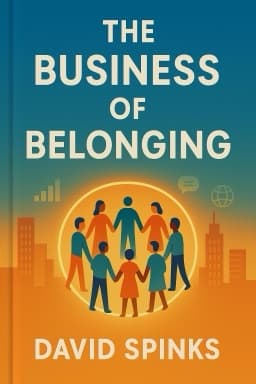
Communities are ecosystems of diverse participation levels. David Spinks' Commitment Curve illustrates this beautifully, showing how members evolve from passive lurkers to active contributors and ultimately to leaders who shape the community’s future.
Most members initially observe quietly, absorbing content and learning norms. This stage, while often overlooked, is crucial as it represents untapped potential. Moving beyond lurkers requires lowering barriers to participation through welcoming onboarding, clear guidelines, and gentle encouragement.
Active members engage by commenting, sharing, and attending events. Recognizing their contributions through rewards and social validation encourages deeper involvement. Power users create most content and help moderate, becoming pillars of the community. Leaders go further, organizing activities, mentoring others, and setting cultural norms.
Intentional barriers, such as onboarding rituals and community policies, help maintain quality and ensure commitment. These are not exclusionary but protective, fostering a safe and respectful environment.
Understanding the psychological motivations—such as the desire for belonging, recognition, and influence—enables community managers to tailor strategies that resonate with members at each stage.
Examples abound, from language learning groups where beginners become study group leaders, to professional networks where new members evolve into trusted advisors. This progression strengthens both individuals and the community as a whole.
By mastering the Commitment Curve, community builders can create a vibrant, sustainable ecosystem where every member has a path to meaningful participation and leadership.
Sources: Blinkist summary 1 , Nityesh book review 2
Want to explore more insights from this book?
Read the full book summary