
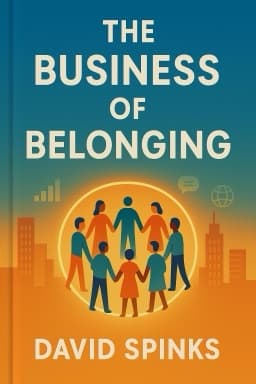
Unlocking the SPACES Model: How Communities Drive Real Business Results
Discover the six ways community can transform your business and how to focus your efforts for maximum ROI.

In the realm of community building, understanding how to connect activities with business outcomes is crucial. David Spinks' SPACES model provides a powerful lens to focus community efforts where they matter most. The model identifies six core outcomes that communities can influence: Support, Product, Acquisition, Contribution, Engagement, and Success.
Support communities empower customers to help each other, reducing the burden on traditional support channels and accelerating problem resolution. This self-service approach not only cuts operational costs but also enhances customer satisfaction by providing immediate peer assistance.
Product communities invite users to share feedback and co-create, turning customers into partners in innovation. This crowdsourced input can lead to faster iteration cycles and products that better meet market needs.
Acquisition leverages passionate community members as brand advocates who organically expand reach through events, referrals, and social sharing. This authentic growth channel often yields higher quality leads than traditional marketing.
Contribution is vital for platforms relying on user-generated content or services, such as open-source projects or marketplaces. Engaged contributors fuel platform vitality and scalability.
Engagement focuses on deepening member loyalty and retention by fostering belonging and ongoing interaction. Highly engaged members are more likely to renew subscriptions, purchase add-ons, and advocate publicly.
Success communities support customers in mastering products and advancing their careers, increasing lifetime value and reducing churn.
Focusing on one or two SPACES outcomes aligned with business priorities allows community teams to deploy resources effectively. Cross-functional collaboration with support, product, marketing, and customer success teams enhances impact and demonstrates ROI.
Measurement is key. Tracking relevant metrics such as support ticket deflection, product feature adoption, referral rates, content contributions, engagement scores, and customer satisfaction provides evidence of community value.
By mastering the SPACES model, community leaders can transform vague ambitions into targeted strategies that resonate with stakeholders and drive sustainable growth.
This framework is not just theoretical; it’s a practical tool to build communities that are indispensable business assets.
Sources: Nityesh book review 2 , Bookey summary 4 , 5minutebooksummary.com 3
Want to explore more insights from this book?
Read the full book summary