
How the Credential Arms Race is Failing Us All
Why more degrees don’t mean better jobs—and what we can do about it.

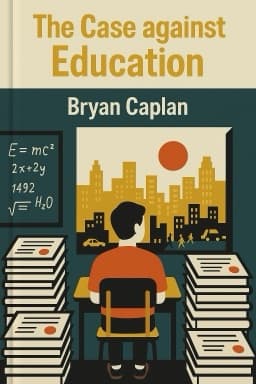
Imagine a world where every job—from barista to business analyst—requires a college degree. Sound familiar? This is the reality of credential inflation, a phenomenon where more and more education is required for the same jobs, even as the actual work remains unchanged. Bryan Caplan’s 'The Case Against Education' exposes the waste and frustration caused by this arms race. As more people earn degrees, employers simply raise the bar, demanding even higher credentials for entry-level work.
This isn’t just an inconvenience for students; it’s a massive social cost. Billions of dollars and years of human potential are poured into a system that rewards hoop-jumping over real learning. The result? A society where degrees matter more than skills, and where those without the right paperwork are shut out of opportunities, regardless of their talent or drive. Caplan draws on data from around the world to show that countries with robust vocational training systems, like Germany and Switzerland, have lower youth unemployment and happier workers—without forcing everyone into college.
So what’s the way forward? Caplan suggests reducing government subsidies for higher education, investing in alternatives like apprenticeships and on-the-job training, and recognizing that not everyone needs—or benefits from—a college degree. The credential arms race is failing us all, but there’s hope: by valuing real skills over paper credentials, we can build a more just and efficient society.
References: 1 , 3 , 4
Want to explore more insights from this book?
Read the full book summary