
What If We Stopped Subsidizing School? The Radical Economics of Education Reform
Could cutting education funding make us smarter, richer, and happier?

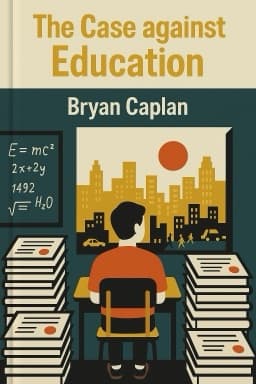
What if everything you thought about school funding was wrong? Bryan Caplan’s 'The Case Against Education' challenges the conventional wisdom that more spending on education is always better. Caplan argues that when education functions mainly as a signal, not as a creator of real skills, government subsidies do little good—and may even do harm. The personal payoff from a degree is real, but society gains little, especially when everyone is chasing the same credentials.
Subsidies drive up tuition, encourage students to stay in school longer than necessary, and fuel the credential arms race. Billions are spent, but the real winners are those who outcompete their peers—not the public at large. Caplan points to policy experiments in countries and U.S. states that have cut subsidies, finding little negative impact on well-being or job prospects. Meanwhile, alternative education models—online courses, bootcamps, apprenticeships—are booming, offering flexible, targeted learning at a fraction of the cost.
Caplan’s vision is bold: cut or eliminate subsidies, invest in practical training, and let the market reward real skills. Critics worry about access and inequality, but Caplan counters that targeted support for those in need can replace blanket subsidies. The time has come for a radical rethink of how we fund education—one that values efficiency, flexibility, and true learning over paper credentials.
References: 1 , 4
Want to explore more insights from this book?
Read the full book summary