
Inside the Two Americas: How Trumpism Exposed a Nation Divided Like Never Before
Explore the deep cultural and economic fault lines that fueled the rise of Trump and reshaped American politics forever.

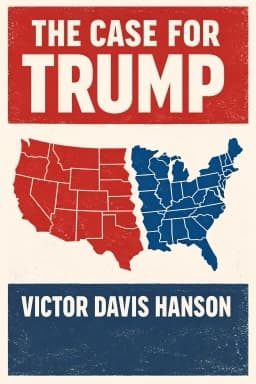
America is often spoken of as a unified nation, but beneath the surface lies a profound split—a cultural, economic, and political chasm that separates the bustling, liberal coastal cities from the struggling, conservative interior regions. This divide was a critical factor in the rise of Trumpism, a political movement that capitalized on the frustrations and aspirations of millions who felt left behind by globalization and elite consensus.
The coastal states, home to tech hubs, financial centers, and diverse populations, have seen economic growth and cultural liberalism flourish. In contrast, the interior—spanning vast rural areas and former industrial heartlands—has faced economic stagnation, job losses, and a sense of cultural displacement. This geographic and economic divide is reflected in voting patterns, with the Electoral College magnifying the influence of swing states in the interior, such as Michigan, Pennsylvania, and Wisconsin.
Economic disparities are stark. Coastal states boast per capita incomes nearly double those of many interior states, fueling resentment and political realignment. The population density imbalance—where red states cover 80% of the land but house fewer people than blue states—creates electoral complexities that have shaped presidential elections for decades.
This Two Americas divide is not just about politics; it's about identity, opportunity, and the future of the nation. Understanding this split is essential to grasping the forces that propelled an unlikely candidate to the presidency and the ongoing cultural and political battles that define America today.
By examining these dynamics through the lens of recent political science research and cultural analysis, we gain insight into the roots of polarization and the challenges of bridging the divide.
In the following sections, we will explore how these divides influenced the rise of Trumpism, shaped his signature policies, and altered the course of American political history.
Sources include comprehensive political analyses and scholarly works on national identity and political culture in the Trump era, offering a nuanced perspective on this defining phenomenon. 1 2 3
Want to explore more insights from this book?
Read the full book summary