
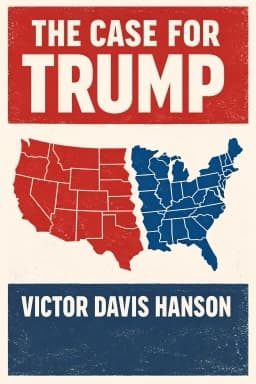
Swamp Wars: How the Establishment Fought Back Against Trumpism
Dive into the fierce resistance from political elites, bureaucrats, and media that shaped Trump’s tumultuous presidency.

Donald Trump’s presidency was marked by relentless opposition not only from Democrats but also from within his own party and the permanent bureaucracy often referred to as the 'deep state.'
The 'Never Trump' Republicans constituted a vocal faction within the GOP that rejected Trump’s outsider challenge, fearing his disruption of conservative orthodoxy and party unity. Their resistance complicated governance and party cohesion.
The 'deep state'—a term popularized during Trump’s tenure—refers to entrenched government agencies and bureaucracies perceived as resistant or hostile to the president’s agenda. Allegations of internal sabotage and obstruction underscored the difficulties of implementing change within established institutions.
Mainstream media coverage was overwhelmingly critical, focusing heavily on controversies, personal flaws, and scandals rather than policy achievements. This adversarial relationship intensified political polarization and deepened public mistrust of the press.
Protests, social media battles, and heated rhetoric became common, reflecting a political landscape transformed into a cultural war. Despite this opposition, Trump’s base remained energized, viewing resistance as validation of their cause.
This blog draws on political analysis and media studies to explore the dynamics of establishment pushback and its impact on American politics during the Trump era.
For further context, see works on political resistance movements and media-politics relations. 1 4
Want to explore more insights from this book?
Read the full book summary